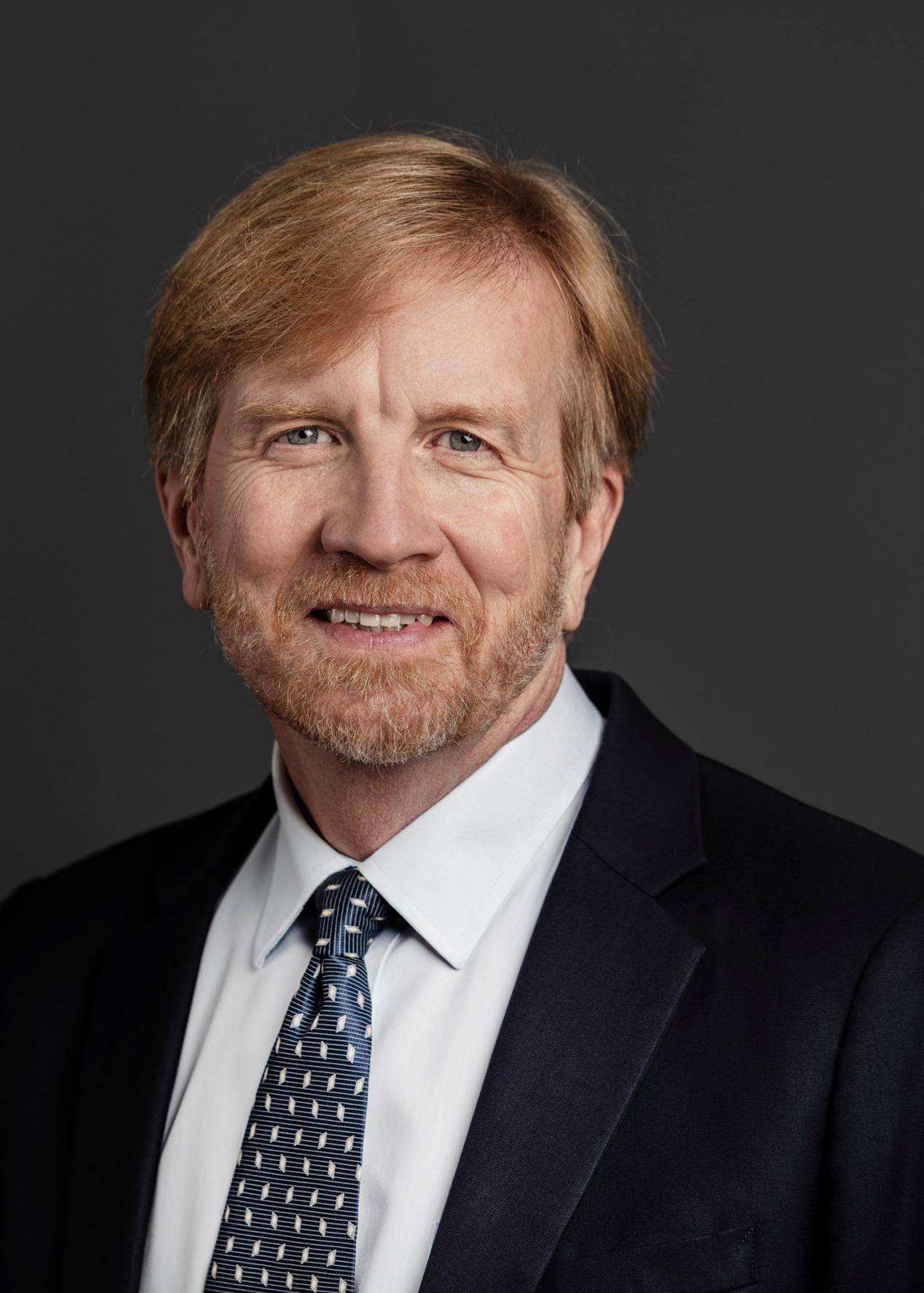
Speaker: Bradley J. Nelson
Affiliation: ETH Zurich, Switzerland
Title:Microrobots for Clinical Applications
Time: 9:00, November 5
Location:Meeting Room, Yifu Auditorium
Abstract:
icro-nanorobots represent a highly promising frontier in the field of minimally invasive diagnosis and treatment, and magnetically controlled microrobots, with the advantages of wireless actuation and good tissue penetration, are expected to break through the operational limitations of traditional interventional methods in narrow and fragile cavities of the human body. Focusing on clinically oriented, human-scale magnetically controlled microrobot systems, this report introduces the latest research progress from microrobot fabrication, magnetic field generation and regulation to closed-loop navigation strategies, and addresses the core bottleneck restricting the safe and stable in vivo operation and clinical translation of magnetically controlled microrobots — a programmable precise magnetic navigation system suitable for human body space and compatible with clinical specifications. Relevant research results not only advance magnetically controlled microrobots from laboratory prototypes to implementable medical platforms, but also expand new diagnosis and treatment scenarios such as remote stroke first aid to provide new ideas for time-limited remote intervention for acute and severe diseases, bring the Fantastic Voyage-style miniature in vivo diagnosis and treatment vision closer to clinical reality, lay an important foundation for the development of next-generation minimally invasive medical technologies such as targeted drug delivery, minimally invasive diagnosis and precise intraluminal manipulation, and carry important scientific value and clinical translation significance for expanding the boundaries of minimally invasive medicine and improving treatment accessibility for critical diseases.
Personal Introduction:
Professor Bradley J. Nelson is currently a Foreign Academician of the Chinese Academy of Sciences, a Member of the Swiss Academy of Engineering Sciences, Professor of Robotics and Intelligent Systems at ETH Zurich, Head of the Multiscale Robotics Laboratory, and a Fellow of IEEE, ASME and AIMBE. He has won the IEEE Robotics and Automation Society Pioneer Award and the Grand Hamdan International Award for Medical Artificial Intelligence, was named one of Scientific American's annual Top 50 Tech Leaders, has long been engaged in micro-nanorobotics and medical robotics research with achievements published in top journals including Science, currently serves as Editor-in-Chief of SmartBot, and previously worked as Chief Scientific Advisor of Science Robotics and Editor of IEEE Transactions on Robotics, with a number of pioneering achievements in magnetically controlled micro-nanorobots, medical targeted therapy and industrial transformation of research results.
[Editor:Shuaihao Deng, Yaoguang Zhang]